
Getting Married on a Visitor Visa
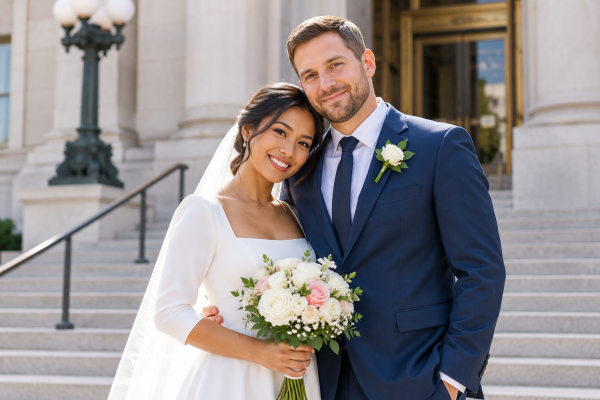
Can you get married on a visitor visa in the United States? Yes, a visitor may legally marry during a genuine temporary trip. But getting married and receiving permission to live permanently in America are two different things. The important questions are why the person is traveling, whether they are truthful with immigration officials, and what immigration process they intend to follow.
For American–Filipina couples, understanding the difference between a B-2 tourist visa, a K-1 fiancée visa, and a CR-1 spouse visa can prevent costly mistakes. This guide explains the distinction in plain language.
Can You Marry in the USA on a Tourist Visa?
Marriage itself is not prohibited simply because someone is visiting the United States on a B-2 or B-1/B-2 visa. A couple may, for example, hold a legal wedding during a temporary visit and then have the foreign spouse return home as planned.
The visitor must still qualify for admission as a temporary visitor. U.S. Customs and Border Protection (CBP) makes the admission decision at the port of entry, even when the traveler has a valid visa. An approved tourist visa does not guarantee entry.
If a person intends from the outset to move permanently to the United States, a tourist visa is generally not the appropriate immigration route. The visitor category is intended for temporary stays, not a substitute for a fiancée or spouse immigrant-visa process.
Marriage Is Legal; Misrepresentation Is the Serious Risk
A major concern is fraud or willful misrepresentation of a material fact when applying for a visa or seeking admission. Giving false information about the purpose of a trip or plans to remain in the United States can have serious consequences, including possible inadmissibility.
For example, a traveler should answer questions about a planned wedding or relationship honestly. It is not the wedding itself that automatically creates a violation. The issue is whether the visitor is genuinely seeking temporary admission and whether any representations to officials are truthful.
There is no magic number of days after entry that makes a false statement acceptable. Couples should not rely on an informal “wait 90 days and everything is fine” strategy. Immigration decisions are based on the applicable law and the individual facts.
Can You Adjust Status After Marrying on a Visitor Visa?
Some spouses of U.S. citizens who were inspected and admitted or paroled into the United States may be eligible to apply for a green card without leaving the country through Adjustment of Status, typically using Form I-130 and Form I-485.
However, marriage does not automatically make someone eligible for Adjustment of Status, and marriage to a U.S. citizen does not erase fraud, misrepresentation, or other potential grounds of inadmissibility. Each person’s history and circumstances matter.
An unexpected change in circumstances after entry can present a different situation from one in which a person obtained visitor admission through a material misrepresentation. Eligibility should never be assumed from another couple’s successful case.
A couple with questions about a previous entry, statements made to an immigration officer, or possible inadmissibility concerns should consult a qualified U.S. immigration attorney for individualized legal guidance before taking action.
Can a Filipina Visit the United States to Get Married and Return Home?
A Filipina who qualifies for temporary visitor admission may be able to travel to the U.S. for a wedding and return to the Philippines afterward. She must meet the applicable visitor visa requirements and satisfy officers that her proposed visit is temporary.
Consular officers can consider the purpose of travel, resources to pay for the trip, employment, family responsibilities, and other ties outside the United States. There is no guaranteed bank balance, special document, or wedding plan that ensures a visitor visa will be issued.
The permitted stay is determined by admission records, not simply by the visa’s printed expiration date. Visitors should check their I-94 admission information and comply with the terms of admission.
Planning to Live Together in America? Consider the Correct Visa
If you are an American citizen and your goal is for your partner to immigrate and live permanently in the United States, the appropriate pathway generally depends on whether you are already married.
K-1 Fiancée Visa: Marry After Arrival
For an eligible couple who is not yet married, the K-1 Fiancée Visa generally allows the foreign fiancée to enter the United States for the purpose of marrying the petitioning U.S. citizen within 90 days. After the wedding, the foreign spouse ordinarily applies for Adjustment of Status to become a permanent resident.
Explore our K-1 Visa Philippines guide for an overview of the process and requirements.
CR-1 Spouse Visa: Marry First, Then Immigrate
For couples who are already legally married, the CR-1 Spouse Visa or IR-1 immigrant visa may allow the spouse to enter as a lawful permanent resident after consular processing. This route generally avoids a separate Adjustment of Status application after arrival.
See our CR-1 Visa Philippines guide and our Marriage Visa USA guide for more information.
Frequently Asked Questions
Is getting married on a tourist visa automatically visa fraud?
No. Marriage during a temporary visit is not automatically fraud. The person’s actual travel circumstances, eligibility for visitor status, and truthfulness in obtaining the visa and seeking admission are important.
Does marriage let someone remain in the U.S. after their authorized stay?
No. Marriage does not by itself grant immigration status or extend the period of authorized stay. Any adjustment application must meet the applicable eligibility requirements.
Is a return ticket enough to prove temporary intent?
No single document guarantees visitor-visa approval or admission. Officers consider the overall circumstances, and all information provided must be truthful.
Which route is better for couples planning to settle in America?
The K-1 and CR-1 routes have different eligibility requirements and steps. The right choice depends on whether the couple is already married and their circumstances. Our fiancée visa vs. spouse visa comparison explains the differences.
Professional K-1 and CR-1 Visa Preparation
For more than 25 years, Filipina Fiancée Visa Service has helped couples with professional immigration petition preparation, supporting-document review, and personal guidance. If you’re ready to bring your fiancée or spouse from the Philippines to the United States, we can help you prepare for the appropriate process.
K-1 Fiancée Visa HelpCR-1 Spouse Visa Help
Call (702) 426-4503 during our weekday office hours, 9 AM–5 PM Pacific Time (lunch noon–1 PM).
Official U.S. Government Resources
For official details, consult the U.S. Department of State’s Visitor Visa guidance, USCIS Adjustment of Status information, and State Department information about spouse and fiancée visas.
Filipina Fiancée Visa Service is a private document preparation service, not a government agency or law firm. The information on this page is general educational information and is not individualized legal advice. Immigration requirements and agency procedures may change.