
CR‑1 Visa Philippines: A Guide to Bringing Your Spouse to the United States
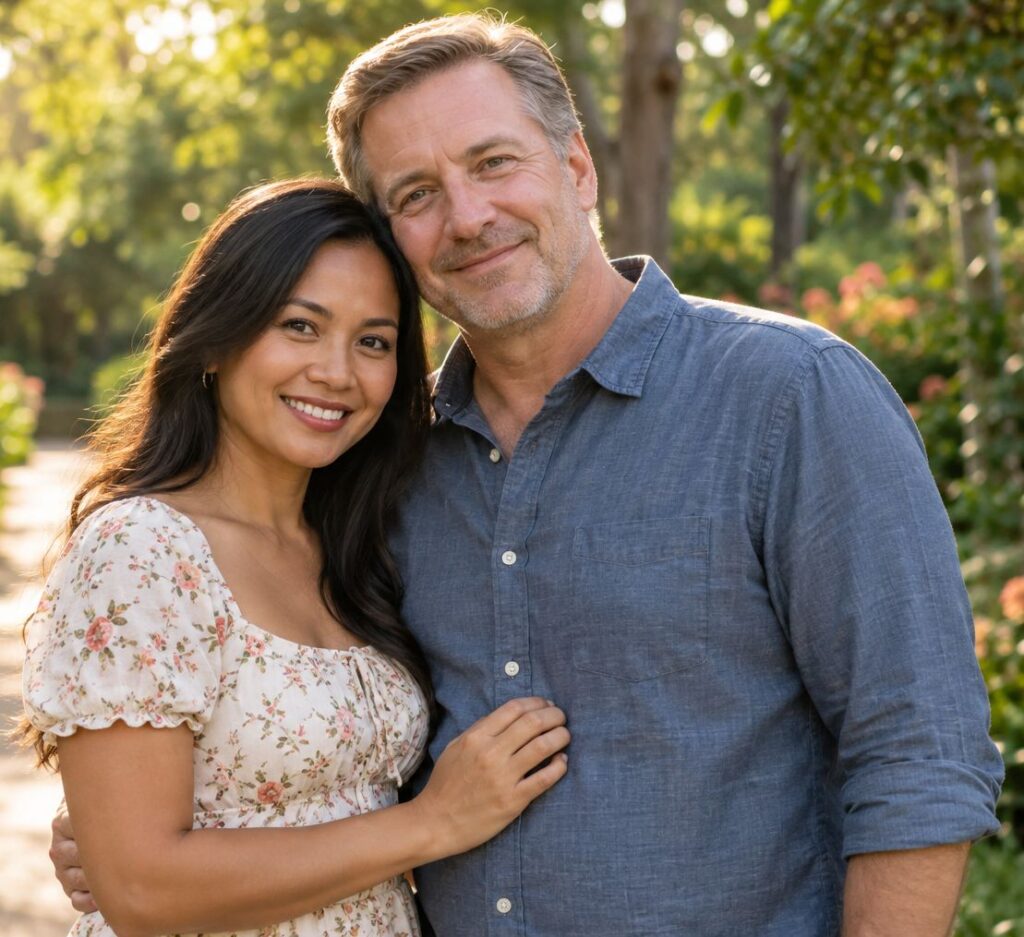
If you are a U.S. citizen married to a Filipino spouse and want to build your life together in America, the CR‑1 spouse visa provides a path to permanent residence.
The process involves several stages: preparing your marriage petition, obtaining approval from U.S. Citizenship and Immigration Services (USCIS), completing National Visa Center processing, and attending a visa interview at the U.S. Embassy in Manila.
Understanding what happens at each stage helps you prepare the right documents, avoid unnecessary confusion, and plan your next steps together.
What Is a CR‑1 Visa?
A CR‑1 visa is an immigrant visa for the foreign spouse of a U.S. citizen. You may also see it written as CR1, or described as a spouse visa or marriage visa.
One important advantage is that your spouse becomes a lawful permanent resident upon admission to the United States with the immigrant visa. Unlike the K‑1 fiancé visa route, a spouse entering with a CR‑1 visa does not need to apply for Adjustment of Status to become a permanent resident.
The CR‑1 route is for couples who are already married. If you have not yet married, our fiancé visa and spouse visa comparison explains important differences between the two options.
CR‑1 vs. IR‑1: What Is the Difference?
The distinction depends on how long you have been married when your spouse enters the United States as an immigrant.
- CR‑1: If your marriage is less than two years old at admission, your spouse receives conditional permanent residence and a green card valid for two years.
- IR‑1: If your marriage is at least two years old at admission, your spouse receives permanent residence without marriage-based conditions and a green card valid for ten years.
Your wedding anniversary can therefore matter while the case is being processed. The date you filed the petition does not determine whether residence will be conditional.
Who Qualifies for a CR‑1 Spouse Visa?
For the CR‑1 visa Philippines process, the petitioner is the U.S. citizen spouse, and the beneficiary is the Filipino spouse applying to immigrate.
You must have a legally valid marriage. Any previous marriages must have ended legally, and you must provide evidence that your current marriage is genuine.
Your spouse must also meet the requirements for immigrant visa issuance. Approval of the marriage petition is an important step, but it does not by itself guarantee a visa.
A green card holder can also petition for a spouse, but that case falls under a different family immigration category, rather than CR‑1 or IR‑1.
If you are planning a Philippine wedding, our guide to getting married in the Philippines introduces the preparations involved. Confirm current requirements with the local civil registrar before finalizing your trip.
How Does the CR‑1 Visa Philippines Process Work?
Step 1: Prepare and File the Marriage Petition
The U.S. citizen files Form I‑130, Petition for Alien Relative, with USCIS. A spouse petition also generally includes Form I‑130A and supporting evidence.
The petition package documents your citizenship, legal marriage, the termination of previous marriages, and your genuine relationship.
For couples living in different countries, evidence may include visits, photographs together, communication records, financial support, and plans for a shared life. Your evidence should reflect your actual circumstances.
Keep your relationship records organized as the case progresses. Additional visits and ongoing communication may provide useful evidence for the later embassy stage.
Step 2: USCIS Reviews the Petition
USCIS reviews the petition and supporting documents. It may approve the petition, request additional evidence, or issue another decision.
If you receive a request for evidence, read it carefully and respond by the stated deadline. The request should guide what you submit.
USCIS approval establishes the qualifying relationship for the next stage. Your spouse still needs to complete immigrant visa processing.
Step 3: Complete National Visa Center Processing
After USCIS approves a petition designated for consular processing, the case moves to the National Visa Center, commonly called NVC.
This stage generally includes paying the required processing fees, completing the DS‑260 immigrant visa application, and submitting financial and civil documents through the Consular Electronic Application Center.
NVC reviews the submissions. If something is missing or unacceptable, it may request a correction or replacement.
Once NVC determines that the required submissions are complete, the case becomes documentarily complete. This means the document review stage is complete; it does not mean the visa has been approved or that an interview will happen immediately.
Step 4: Prepare for the Medical Examination and Interview
NVC coordinates interview scheduling with the embassy. Your spouse should follow the appointment instructions and the current Manila requirements for the medical examination and interview.
The medical must be performed by an authorized panel physician. Vaccination requirements are reviewed as part of that process.
Your spouse should also organize the required original or certified documents and updated relationship evidence. Interview preparation should help your spouse understand the case and answer questions honestly and clearly.
Step 5: Receive the Visa and Prepare for Travel
After the interview, the embassy may approve the visa or require additional documents or administrative processing.
Wait until the visa is issued before making nonrefundable travel arrangements. Check the visa’s details and expiration date carefully, and follow the instructions for entering the United States.
What Documents Are Needed?
The documents required at the petition stage differ from those needed later at NVC and the embassy.
Common items include:
- Proof of the petitioner’s U.S. citizenship.
- A marriage certificate.
- Documents showing that previous marriages ended legally.
- Evidence of a genuine marriage.
- The beneficiary’s passport and birth certificate.
- Financial sponsorship documents.
- Required police certificates and other case-specific records.
For Philippine cases, pay attention to the required Philippine Statistics Authority documents and NBI clearance. Names, previous names, and spelling differences should be handled consistently.
A PSA Advisory on Marriages may also be required. Applicants who have lived in other countries may need additional police certificates.
Our spouse visa document checklist provides an introduction. Your final checklist should follow the instructions applicable to your individual case.
What Are the Financial Sponsorship Requirements?
The petitioner generally submits Form I‑864, Affidavit of Support, with evidence of income and other required financial information.
Most sponsors must demonstrate income at or above 125% of the applicable federal poverty guideline, based on household size. A qualifying active-duty military sponsor petitioning for a spouse may use the 100% threshold.
If income is insufficient, qualifying assets, a joint sponsor, or an eligible household member’s income may help, depending on the circumstances.
The petitioner normally must still submit an Affidavit of Support even when a joint sponsor is involved. Meeting the income threshold also does not replace the embassy’s overall public-charge assessment.
Our visa sponsorship income requirements page introduces the financial requirements.
What If the U.S. Citizen Lives in the Philippines?
The financial sponsor must satisfy the U.S. domicile requirement.
Living abroad does not automatically prevent sponsorship. However, the petitioner must show that they maintain qualifying U.S. domicile or will establish it no later than the immigrant’s admission to the United States.
A joint sponsor does not fix a petitioner’s failure to meet the domicile requirement. Couples living together overseas should address this early.
Can My Spouse’s Children Immigrate Too?
Children do not automatically receive immigrant visas through a parent’s CR‑1 or IR‑1 petition. A U.S. citizen generally needs to file a separate qualifying petition for each child.
For a stepchild relationship, the marriage creating that relationship must have occurred before the child’s eighteenth birthday. Other requirements, including age and marital status, also affect eligibility.
Tell us about all accompanying children at the beginning so their cases can be considered alongside your spouse’s case.
How Long Does a CR‑1 Visa Take?
The total time depends on USCIS processing, NVC document review, embassy interview availability, and any additional processing.
A USCIS estimate covers only part of the journey. Likewise, becoming documentarily complete at NVC does not establish a guaranteed interview date.
Submitting a complete, consistent package helps avoid preventable delays, but no preparation service controls government processing times. Plan around the current status of your case rather than a promised arrival date.
What Happens After Arrival in America?
Upon admission with a CR‑1 or IR‑1 immigrant visa, your spouse becomes a lawful permanent resident and is authorized to work. The physical green card is delivered separately; it is not normally handed over at the airport.
For a CR‑1 resident, the next major immigration step is removing the conditions on residence. Most couples filing jointly must submit Form I‑751 during the 90 days before conditional residence expires.
Keep evidence of your married life together, including shared finances, housing, insurance, and other relevant records. Our Removal of Conditions service explains how we can assist with that later stage.
How Filipina Fiancée Visa Service Helps
Once we gather your information, we prepare a professional spouse visa petition package and complete the necessary paperwork. We review your supporting documents and explain what you need to provide at each stage.
Our assistance continues beyond the initial petition. We guide you through the later requirements, help you organize your financial and civil documents, and thoroughly prepare your spouse for the embassy interview.
We are with you every step of the way from start to finish.
Visit our CR‑1 and IR‑1 spouse visa service page to learn more or begin your case. You can also call 702‑426‑4503 during our weekday office hours, 9 AM–5 PM Pacific Time, with lunch from noon to 1 PM.